18,121 firms on file · 798 cities · 12,584 rated 4.5+ · 827 open 24/7 · 252 show a license
✓ Data verified October 17, 2026
Best Divorce Lawyers in Los Angeles, CA
Learn how we score.
Prominent finalists A-Z in Los Angeles
Abogado
Abogado de El Salvador en Los Angeles
Adoptions First
Boyd Law
Broadway Law Firm
Car Accident Lawyer Santa Monica, Robert M. Klein California
Charles M. Green
Corona Law Group
Diaz Law Firm
Family
Gomez Law
Jackie A. Abboud
Kim Mediation & Law Center
Law Office Of Merlin L. Reed
Law Offices of Atousa Saei
Law Offices of Jack Lopez
Law Offices of Kenneth U. Reyes
MAC Services Group
Progresso Legal Group
The Agopoglu Law Corp., PLC
The Attorney Group, Professional Law Corp El Grupo De Abogados
The Law Office of Stephen Chen
The Law Offices of Nigel Burns
The Law Offices of Teresa A. Beyers
View Profile
Abogado de El Salvador en Los Angeles
(48)
Efficient
Quality
Efficacy
“It was a very pleasant experience, you feel like family, it has the best prices and very professional work, it explains point by point without any rush, thank God for putting it in our path, I recommend it 100%”
i
View Profile
Progresso Legal Group
(46)
“I wholeheartedly recommend Progresso Legal Group to anyone seeking not only exceptional legal support, but also a team that truly understands and empathizes with their clients”
i
View Profile
The Attorney Group, Professional Law Corp
(50)
Expungement
Chapter 7
Paralegal
“My experience with Attorney Group was helpful and everyone was professional especially Priscella who handled so many things in my case professionally and in a timely manner.”
i
View Profile
Law Offices of Jane Chung
(49)
Purser
Seeds
Explanation
“Even though the immigration process was not processed well due to the coronavirus, I received permanent residency with the help of attorney Jane Jeong.”
i
View Profile
The Law Office of Stephen Chen
(46)
Understanding
Cost
Child
“I can't say enough how grateful I am to have found Stephen to guide me in such a challenging divorce, especially with kids involved and having a difficult time to communicate and reach an agreement with my ex.”
i
View Profile
Law Offices of Atousa Saei
(29)
ex
Court
Honest
“I am truly thankful to have found Atousa as she took over my case and substituted another attorney who was never available to me via emails, phone, etc.”
i
View Profile
Tus Abogados de Accidentes Latinos
(38)
Work
Injury
Medical
“My case was quite complex, but the team at Latino Accident Lawyers Broadway Firm handled it with class and got me the settlement I wanted without any problems.”
i
View Profile
The Law Offices of Nigel Burns
(45)
Expertise
Case
Trust
“Many times I would call Nigel or Brandon(Wyman) because my ex manipulated the language in the orders or the process, I would be frazzled and upset, and confused.”
i
View Profile
Adoptions First
(29)
Happy
Understanding
Compassionate
“Although I was matched with my first son through the agency, I chose to work with Renee and Adoptions First exclusively when I was ready to adopt a second time.”
i
View Profile
Kim Mediation & Law Center
(31)
Meeting
Feel
Matter
“It's noteworthy to add that our whole process took place DURING THE WORST OF THE COVID LOCKDOWN and somehow she managed to make things very smooth and stress-free for me.”
i
View Profile
Gomez Law
(40)
Confidence
Expertise
Felt
“I liked Susan Murphy and the Gomez law team because they were very helpful and responsive and respectful in answering our questions during our partition case.”
i
View Profile
Boyd Law - Los Angeles
(18)
“She listened, cared, answered with detail, simplified the processes where I needed clarification, and was more responsive than I could have ever imagined.”
i
View Profile
Law Offices of Kenneth U. Reyes
(46)
Bless
Divorce
Petition
“These Attorneys have the knowledge and skills to navigate the complexities of family law effectively and they have a deep understanding of the nuances of family law issues.”
i
View Profile
Jackie A. Abboud
(35)
Restraining Order
Sister
Settlement
“Being foreign to the US legal system I was having difficulty finding a good attorney meanwhile having my money consumed on the search for the right lawyer.”
i
View Profile
The Agopoglu Law Corp., PLC
(42)
Feel
Case
Job
“The Department of Homeland Security (DHS) in a joint motion decided to reopen and dismiss the deportation proceedings to allow my parents to pursue their adjustment of status.”
i
View Profile
The Law Offices Of Teresa A. Beyers
(37)
Filing
Legal Representation
Courthouse
“Their commitment to advocating for my family's best interests was evident at every turn, making them the unequivocal choice for anyone in need of compassionate and effective legal representation in matters of family law.”
i
View Profile
Abogados de Desalojo
(31)
Money
Team
Labor
“Yes, I am very grateful to these eviction lawyers, they are helping me a lot in my case in the Pasadina court, this Arminio was very abusive towards us as tenants, I recommend these lawyers, our case is excellent, they are the best, do not let yourse...”
i
View Profile
Law Offices of Jack Lopez
(27)
Happy
Information
Court
“Jack Lopez is a great lawyer he gives it all he gots and stands up for you during court and makes sure things are going well and you're way when he's representing you.”
i
View Profile
Charles M. Green
(19)
Money
Divorce
Case
“One of the things that impressed me the most about Charles and Diana was their ability to communicate complex legal concepts in a clear and concise manner.”
i
View Profile
Diaz Law Firm
(19)
Service
Team
Legal Representation
“Not only does she help with all the legal items in the agenda , she also counseled me mentally through the steps we were going to take together in the next months which was very helpful.”
i
View Profile
Robert M. Klein
(14)
Results
“As we say in the aviation and aerospace industry he is a Top Gun Attorney, he truly has the "Right Stuff" to produce the best results for his clients.”
i
View Profile
Corona Law Group
(11)
Walk
Questions
Art
“I had an urgent legal issue regarding tenants rights and negligent management (seemingly becoming an ever increasing, time sensitive and crucial problem for Los Angeles County tenants, unfortunately) and was referred to Corona and Peabody for expert ...”
i
View Profile
MAC Services Group
(17)
Questions
Mediator
Court
“In particular made the daunting divorce process as painless as it can be by guiding me and the other guy through each step with care, balance and clear direction.”
i
View Profile
Law Office Of Merlin L. Reed
(28)
Court
Know
Family Law
“He was knowledgable about the law, easy to work with, had an excellent support staff and gave me confidence so that I could stay focused on more important things-supporting my family and children.”
The papers are on the kitchen table, or they are about to be, and what you want is a map of what happens next. Divorce work is the unwinding of a marriage: the filing, full disclosure of what each spouse earns and owns, dividing property and debts, and spousal support where one income carried the household. Separation covers the same ground before anyone files, or when a couple wants terms in writing without ending the marriage. Anything to do with the children sits with a custody practice, often in the same building.
Attorneys differ most in how they get you to the end. Some settle nearly everything at the table, some file motions early, and collaborative divorce sits between the two, with both sides contracting in writing to stay out of court. Fees follow the route. An hourly retainer suits a contested case; a flat fee suits an uncontested filing where you already agree on the terms. Ask which one your situation resembles, and what would tip it the other way.
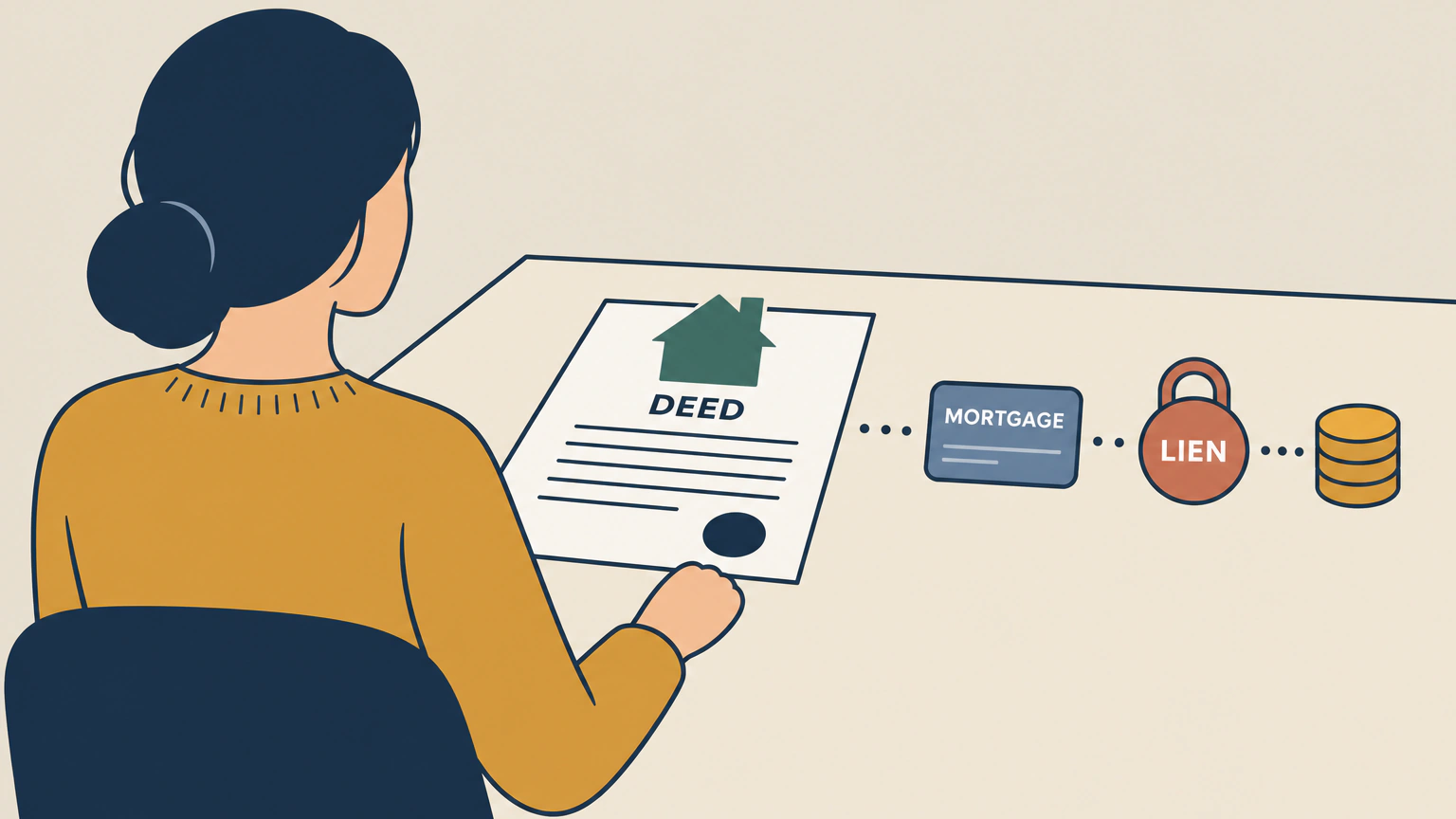
Pull the money paperwork together before you meet anyone. Tax returns, pay records, bank and retirement statements, mortgage and loan balances, card debt, and the title to anything that has one. Disclosure is where a contested case either moves or stalls.
Below, the state and city lists break the map down to divorce practices you can actually reach. A city page marks which firms sit inside that city, which ones are nearby, and what every listing says about consultations.
Frequently asked questions
What does a divorce lawyer handle from start to finish?
The filing and the paperwork that follows it, disclosure of income, assets and debts on both sides, negotiation or litigation over how property is divided, spousal support, and the final judgment that makes the terms enforceable. Many also handle the follow-up work when someone stops paying or circumstances change. Custody, parenting time and child support are usually kept in a separate practice area, even inside the same firm.
How is property divided when a marriage ends?
Rules differ by state. A handful treat most property acquired during the marriage as owned equally, while most divide it in a way a court considers fair, which is not always an even split. Pensions, a business, and a house with a mortgage on it each need their own treatment. What an attorney can do at the first meeting is tell you which framework your state uses.
What decides whether spousal support is paid?
Broadly, whether one spouse needs support and the other can pay it, read against how long the marriage lasted, what each person earns or could earn, and what each gave up along the way. Alimony can be temporary while the case runs, then set for a period afterward or not at all. Rules and the weight given to each factor vary by state, so ask about yours.
Is legal separation different from getting divorced?
Yes. A separation agreement settles the same questions, property, debts and support, while the marriage legally continues. Couples use it when health coverage, religious reasons or a waiting requirement make ending the marriage awkward right now. Not every state offers a formal status for it. The agreement usually rolls into the later filing, so it is worth drafting as if it will be permanent.
What does collaborative divorce actually involve?
Both spouses keep their own attorney and everyone signs an agreement to settle without going to court. Financial neutrals and coaches join the meetings where they help. The bite in it is the disqualification clause: if the process fails and someone files, both attorneys step aside and you start over with new counsel. That cost keeps people at the table, which is the whole point of it.
Does a divorce lawyer also deal with child custody?
Often the same firm does, but it is treated as different work. Divorce practice is about ending the marriage and settling what the two of you own, owe and pay each other. Parenting schedules, decision-making and child support belong to the custody category, which has its own vocabulary and its own filings. Ask directly whether the attorney you are meeting handles both, or only one.