
View Profile

Sternberg Law Group
- Empathetic
- Decision
- Debt
“A straight forward good attorney does his best to help a person in any legal way I personally would recommend Sternberg law to anyone in need of his services”
Popular Cities



14,350 firms on file · 606 cities · 10,347 rated 4.5+ · 429 open 24/7 · 272 show a license
Data verified October 17, 2026
We show firms for your area once your location is detected. Real Estate Lawyers in New York, NY → · Browse by state
You have an offer accepted on a house, or you have just agreed to sell one, and the paperwork starts arriving with names you have never seen. A real estate lawyer handles the deal itself. That means reading the purchase agreement before you sign it, ordering the title search, clearing whatever the search turns up, checking the survey, preparing or reviewing the deed, and going through the closing figures line by line. The same firms take on commercial leases, boundary questions and easement problems.
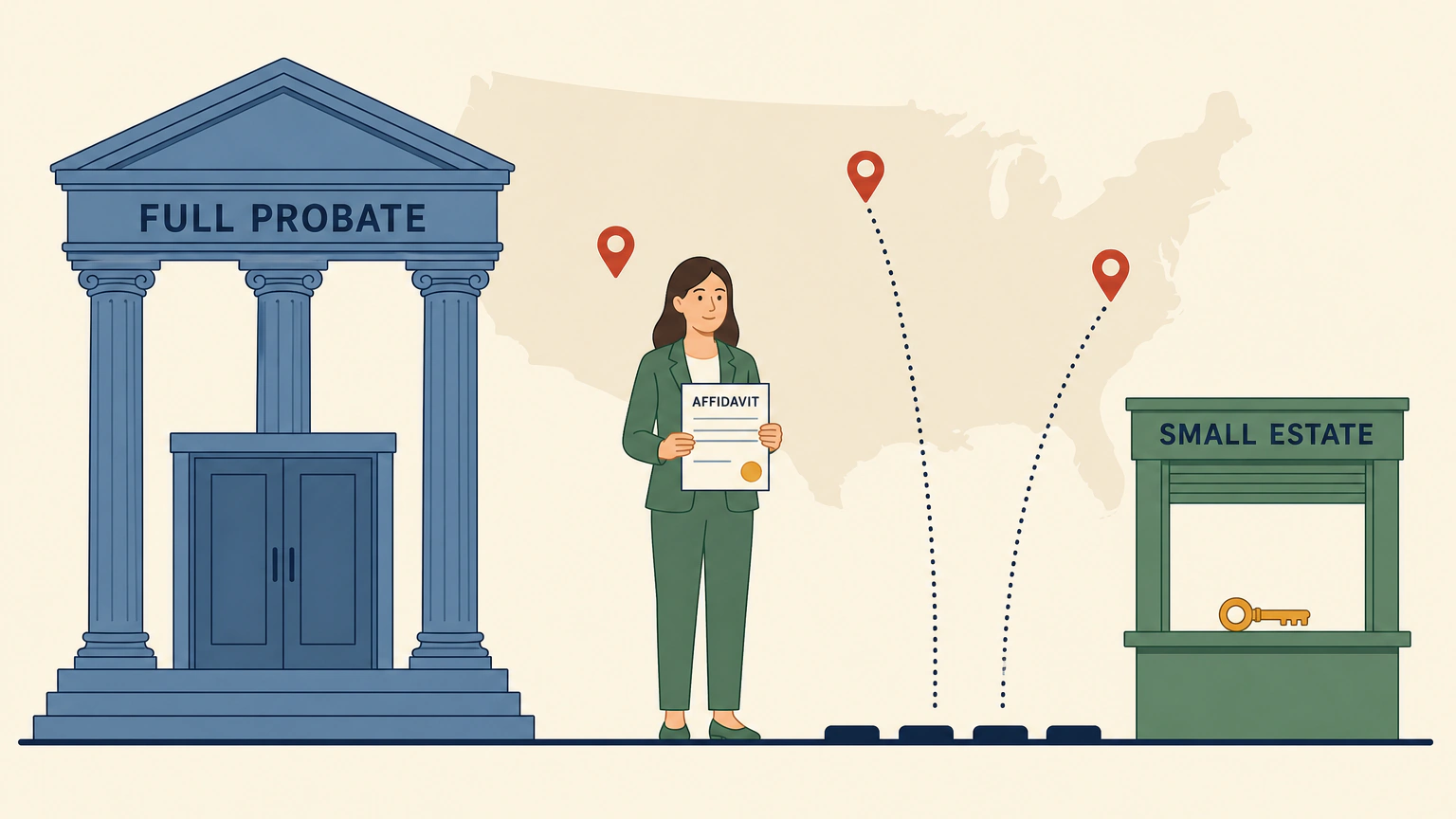
Who runs a closing varies by state. In some states an attorney conducts it. In others a title company does most of the work and a lawyer reads the contract only if you ask. Scope is the thing to pin down first. Ask what the quote covers, who in the office will handle your file day to day, and how you hear about it if the title search brings back a surprise.
Have the signed contract ready, your lender's contact details, and the payoff figure on any existing loan. Sellers should find the deed and anything from a homeowners association.
Listings reflect what each firm publishes about the property work it takes on. The state and city lists lead to firms near the property, and every city page marks which of them sit in the city itself.
They handle the legal side of the transfer. That means reviewing or drafting the purchase agreement, ordering and reading the title search, resolving liens and easement issues before they reach the closing table, preparing the deed, coordinating with the lender, and going through the settlement statement with you. Some firms also hold the escrow funds. A dispute that starts after closing is normally a separate engagement.
That depends on the state. Some states require an attorney at the closing table, and in others a title company handles the paperwork while a lawyer is optional. Optional does not mean pointless. A purchase agreement binds you once signed, and an hour of reading beforehand is cheap next to an easement nobody mentioned.
Most firms quote a flat fee for a residential closing and bill by the hour for commercial work or for a title problem that turns into a fight. Get the quote in writing. Ask what sits outside it, because the title search, recording charges, courier fees and the survey are often passed through as costs rather than legal work.
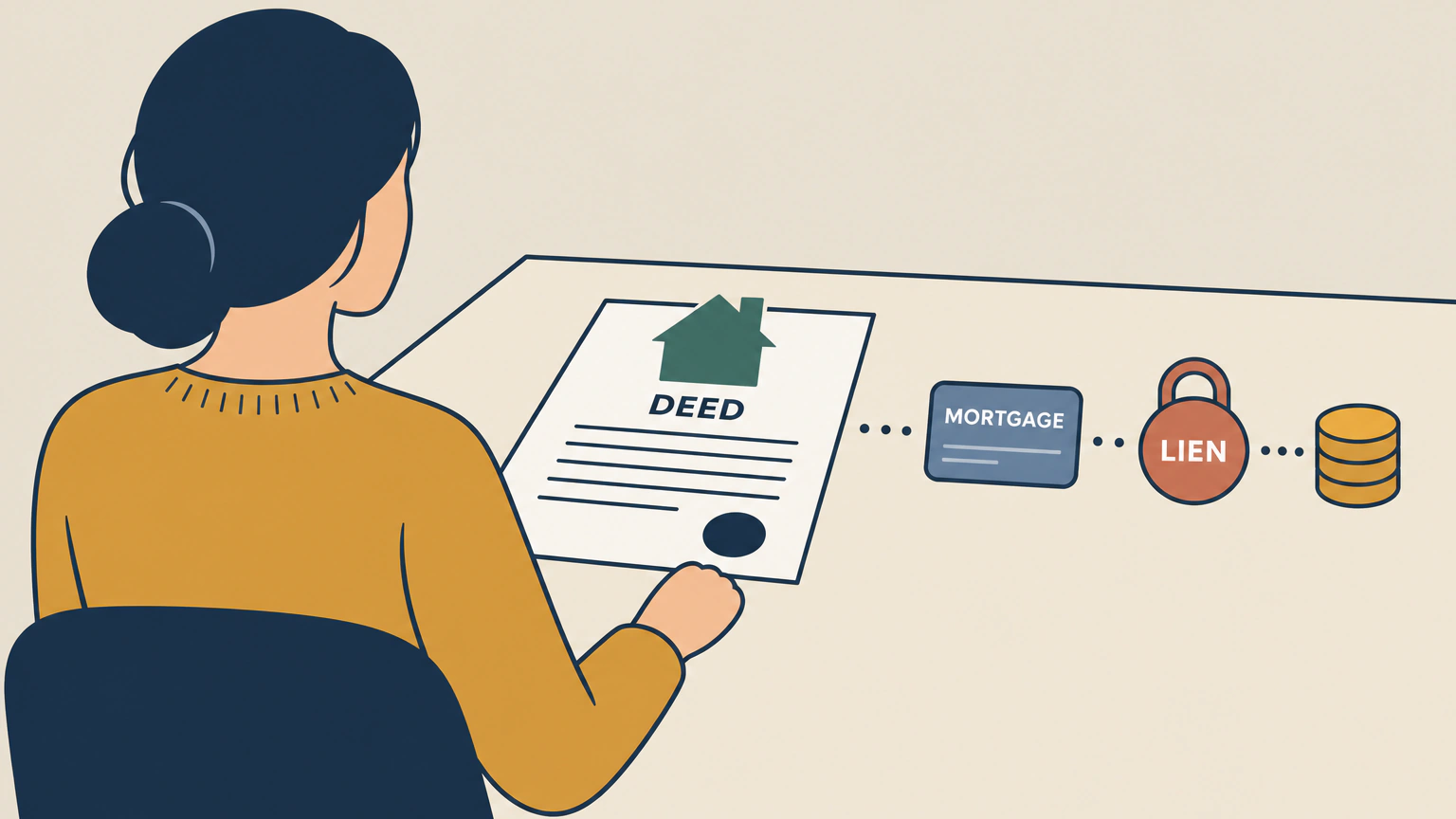
Who owns the property, what is registered against it, and what a buyer would inherit. Mortgages and liens, unpaid taxes, judgments, easements giving a neighbor or a utility the right to cross the land, restrictive covenants, and boundary trouble visible on the survey. Most of what surfaces can be sorted out before closing if it is found early enough.
Yes, and the firms often differ too. Real estate work here is the transaction: contract, title, financing, closing, plus commercial leases and boundary questions. Once someone is living in the property and the argument is about rent, repairs, a deposit or removing an occupant, that is landlord and tenant work and belongs in a different category.