Overview: Criminal Defense Lawyers
An officer wants a word, a detective leaves a card, or someone you love does not come home. Criminal defense starts there, before any courtroom is involved. Two rights carry most of the weight. You can stay silent, and you can have an attorney present for questioning. A defense lawyer works the whole arc: the police interview, the first appearance, bail and release conditions, the evidence the prosecutor must turn over, plea talks, and trial.
Firms are not interchangeable. Some take misdemeanors and traffic matters, some live in felony court, others appear mostly in federal court. Ask who will stand beside you on your court date, the attorney you met or an associate. Ask how the fee is structured, because flat fees by stage are common and hourly billing shows up in long matters.
Bring the charging paperwork, the citation, bond documents, your release conditions, and the names of the officers involved. Write down what happened while it is fresh, then keep it to yourself. Jail phone lines are recorded. If you cannot afford private counsel, the court appoints a public defender.
Listings show what each firm states on its own website about the charges it defends and the courts it appears in. The state and city lists lead to firms working near the courthouse that holds your case, and each city page separates firms based in that city from those nearby.
Frequently asked questions
What does a criminal defense lawyer handle day to day?
Everything from first police contact to the end of the case. That means advising you before questioning, appearing at arraignment, arguing about release conditions, reviewing the evidence the prosecutor turns over, filing motions to keep out anything gathered improperly, negotiating a plea where that serves you, and trying the case to a jury. Appeals and post-conviction work are usually a separate engagement.
Should I answer police questions before I get a lawyer?
No, and saying so politely admits nothing. Give your name and the identifying details you are required to give, then say you want an attorney and stop. Questioning should end there. Officers may keep talking, and you do not have to fill the silence. A friendly chat that nobody wrote down is still evidence later.
How do criminal defense firms usually charge?
Most quote a flat fee for a defined stage: pre-charge work, the case through pretrial, then a separate fee if it reaches trial. Hourly billing turns up in complex and federal matters. Ask what the quote includes, what counts as an extra, whether investigator and expert costs sit outside it, and when payment is due. Put the answers in the engagement letter.
Public defender or private criminal defense lawyer?
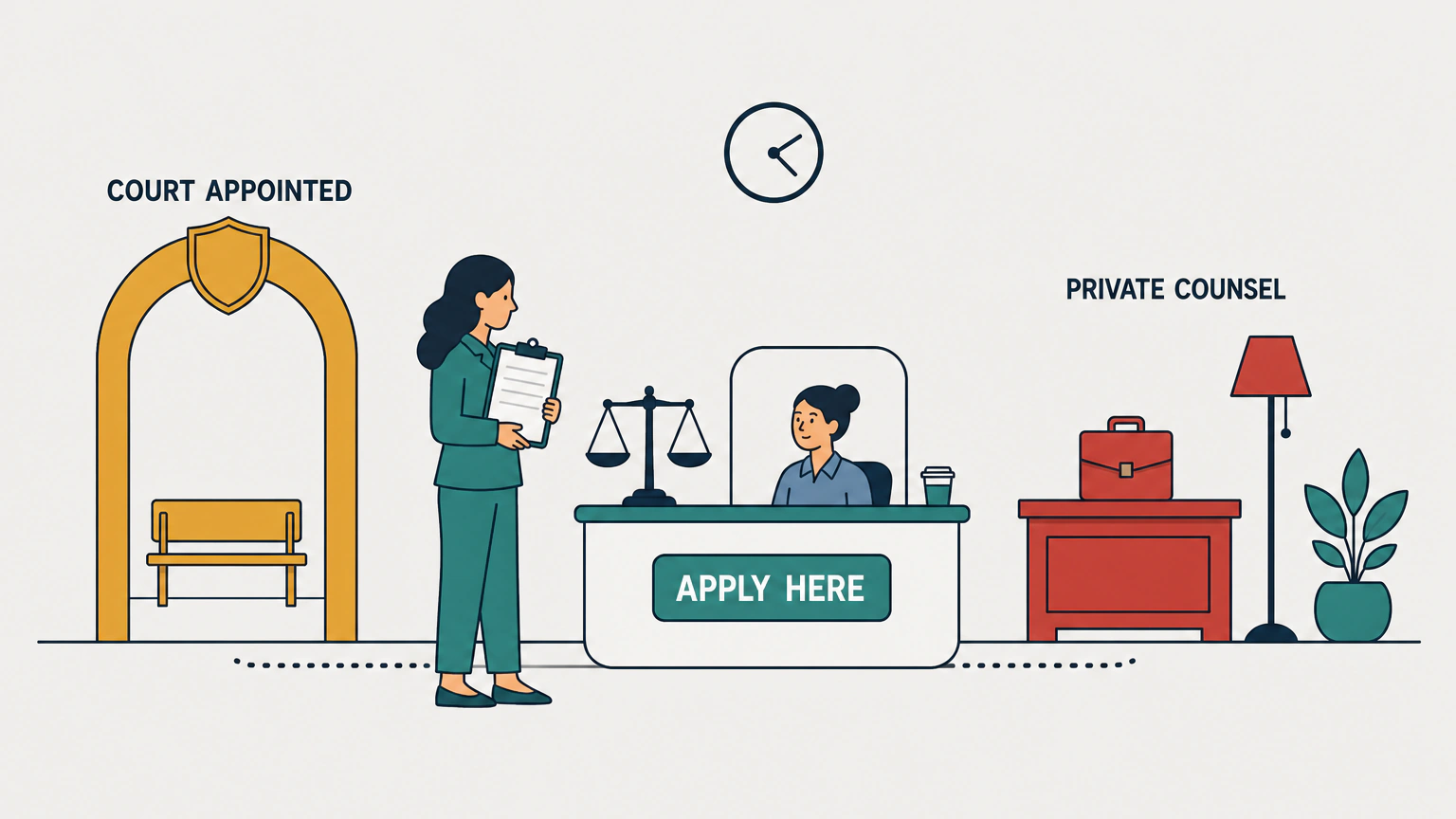
A public defender is a qualified criminal lawyer, often among the more experienced people in the building, carrying a heavy caseload. Private counsel buys you more time and a choice of who handles the file. If you qualify for appointed counsel, take it rather than going alone. If you hire, hire for courtroom experience in that county rather than for the office decor.
How does a criminal charge affect immigration status?
It can, and the effect does not always track how serious the charge sounds. Some pleas that look minor in criminal court carry real consequences for a green card or a visa. Tell your defense attorney about your status at the first meeting, and ask them to speak with an immigration lawyer before you agree to any plea. Treat this as general orientation on criminal matters rather than advice about you.