Overview: Family Law Attorneys
Most people call a family law attorney before they know exactly what they need. A marriage may be ending. Or it isn't, and you simply want to know where you would stand if it did. A family practice covers the whole span of household law: prenuptial and postnuptial agreements, cohabitation agreements, separation terms, parenting plans, support, and protective orders when safety is the real issue. The first job is triage. A firm listens, sorts your situation into a process, and says which one fits.
Process and staffing separate one practice from the next. Some run mediation and collaborative work in house, where each side keeps a lawyer and everyone signs on to settle instead of litigate. Others go straight to filings. Ask which routes the firm genuinely handles, who drafts your paperwork, and who stands up in court if it comes to that. Hourly billing against a retainer is standard; flat fees turn up for a prenuptial agreement or an uncontested filing.
Bring what you already have to the first meeting. Marriage dates, a rough list of what each of you owns and owes, recent pay records, tax returns, and any agreement either of you signed. General information here, not advice on your matter.
State and city lists below lead to the family practices near you. Each city page names the firms listed in that city, marks the ones sitting nearby instead, and shows what every firm says about its own practice areas and consultations.
Cost of family-law services
Match the fee to the help you need: paid legal advice, an agreement or ongoing representation. Divorce and custody disputes require their own scope and budget; a general consultation is not a price for the whole matter.
| Service or situation | Estimated cost or fee basis | Scope and conditions |
|---|---|---|
| One-hour family-law consultation | About $250–$300 | A scheduled legal-advice meeting. Confirm whether the lawyer reads documents beforehand and whether the payment is credited if you hire the firm. |
| Draft a standard prenuptial agreement | About $2,000–$3,500 | Legal work for one party to prepare the agreement. Confirm disclosure review, revisions and negotiation limits; the other party’s independent lawyer is separate. |
| Parentage, support or another disputed family matter | About $300–$515 per attorney hour | Advice, negotiation and court work billed by time. Request an initial deposit amount and a budget for the next phase, with updates before major extra work. |
| Review a document or handle one defined task | Separate flat fee or hourly quote | Name the document, filing or hearing. Confirm written comments, revisions, submission and attendance individually; paying for review does not purchase court representation. |
What changes the cost
- Agreement versus dispute and the next court step
- Financial disclosure, children and document complexity
Other costs to budget for
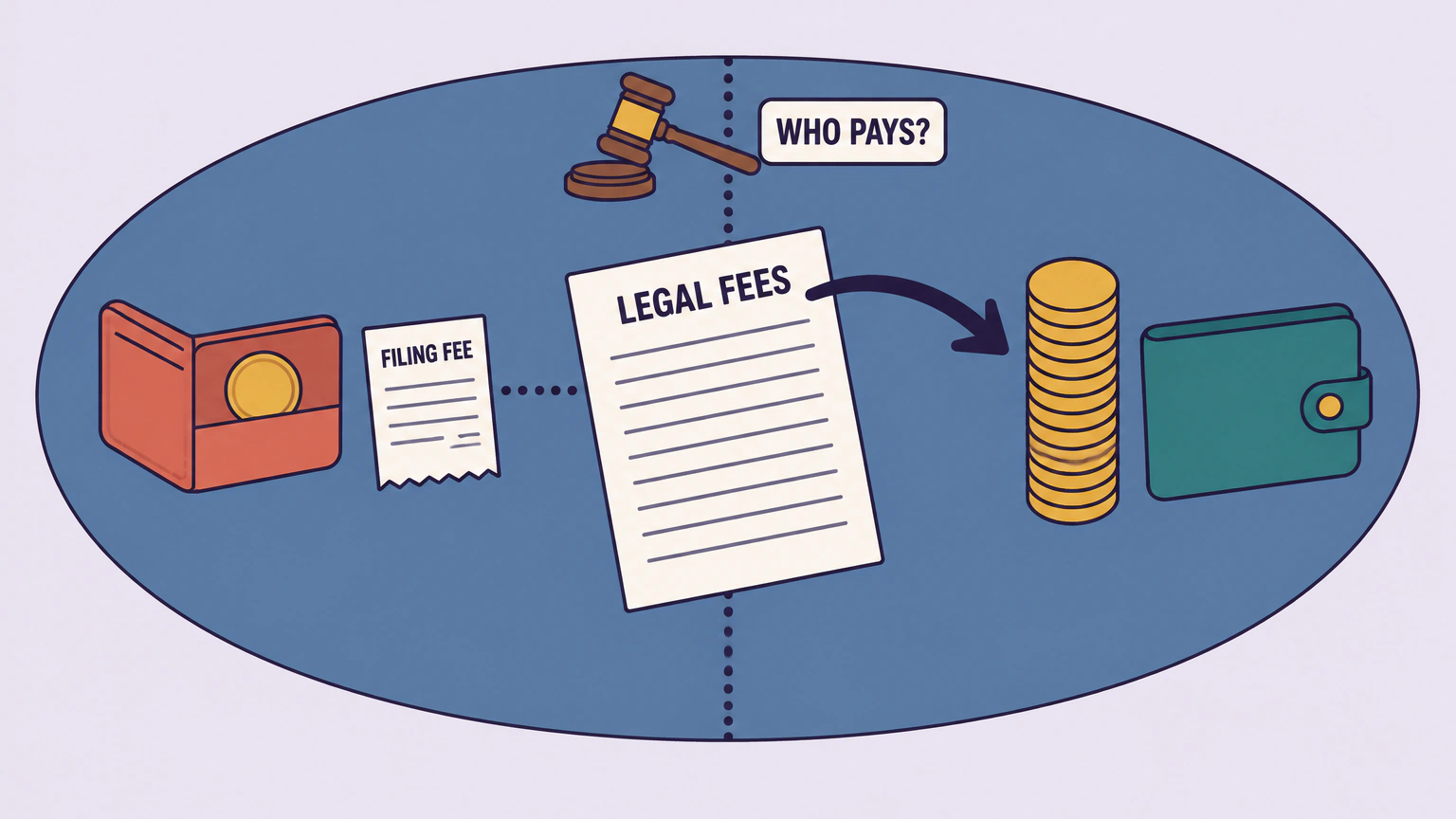
- Court filing, service, mediation and expert expenses
- Separate counsel for the other party and later proceedings
Ask before hiring
What concrete work does this payment cover, who is your client, and what would require another engagement?
A brief free intake call may only assess fit. Ask before sending documents whether you are booking paid advice, substantive document review or full representation.
Frequently asked questions
What does a family law firm actually cover?
Marriage and its alternatives, plus everything that follows from them. Prenuptial and postnuptial agreements, cohabitation agreements, separation terms, parenting plans, spousal and child support, changes to orders already in place, and protective orders. Some firms take adoption as well. Criminal charges, wills and estate administration, and immigration normally go to a different attorney, and a family practice should say so early rather than stretch to keep the work.
How do family law firms usually charge for work?
Hourly against a retainer is the common arrangement. You pay a sum up front, the firm bills its time against it, and you top it up when the balance runs low. Flat fees show up for discrete work such as drafting a prenuptial agreement or handling an uncontested filing. Ask in writing what the retainer covers, which people bill at which rate, how often statements arrive, and what happens to money left over.
Is family mediation different from instructing a lawyer?
Yes, and the difference matters. A mediator stays neutral and represents neither of you; they help you reach terms and then write those terms up. Your own attorney advises you alone and can say whether a proposed deal works in your favor or not. Plenty of people use both, taking the conversation to mediation and then having a lawyer read the draft before anyone signs anything.
Family law firm or divorce lawyer: which do I call?
Call a general family practice when you do not yet know which process you need, or when the work is an agreement rather than an ending: a prenuptial contract, a cohabitation agreement, a parenting plan between unmarried parents. A divorce practice takes over once the marriage itself is being unwound, and a custody practice deals with children's arrangements alone. Plenty of firms do all three under one roof.
What should I bring to a first family consultation?
A short written timeline of what has happened, marriage or partnership dates, a rough list of what each of you owns and owes, recent pay records and tax returns, and any agreement either of you already signed. Bring your questions written down as well. You will forget half of them otherwise, because the hour goes faster than you expect and most of it is the attorney asking you things.
How do I tell whether a family practice fits?
Ask who handles your file day to day, and whether that person or a paralegal answers your email. Ask how the firm prefers to resolve matters, since some settle by habit and some litigate by habit. Ask what happens if you change your mind about the route halfway through. A practice that answers plainly about money and staffing at the start tends to answer plainly later on.