27,892 firms on file · 975 cities · 22,102 rated 4.5+ · 5,459 open 24/7 · 533 show a license
✓ Data verified October 17, 2026
Best Personal Injury Lawyers in Los Angeles, CA
Learn how we score.
Prominent finalists A-Z in Los Angeles
Adamson Ahdoot
Arash Law
Banafshe Law Firm – Personal Injury Attorney
Berjis | Myers
Beverly Law Office
C&B Law Group
Custodio & Dubey – CD Law
Heidari Law Group
Karns & Karns Injury and Accident Attorneys
Kaye Law Offices
LA Century Law
Law Offices Of Arkady A. Tselner
Law Offices of Brian Breiter
Law Offices of David Azizi
Law Offices of Jennie Levin
Lee Legal Group – Workers’ Compensation Attorney Los Angeles
Los Angeles City Law
Lyfe Law
MKP Law Group
McGee, Lerer & Associates
Steven M Sweat, Personal Injury Lawyers
The Dominguez Firm – Personal Injury Lawyers
Venerable Injury Law
Wilshire Law Firm
View Profile
Law Offices Of Arkady A. Tselner
(50)
Car
Questions
Expertise
“The Law Offices of Arkady Tselner is the best company to work with after an accident they are responsive, attentive, fight for you and get you the maximum they exceeded my expectations.”
i
View Profile
Steven M Sweat, Personal Injury Lawyers
(46)
Car
Medical
Money
“I sent an email outlining the details of my case to 10+ attorneys on a national holiday & Sweat was the only one whom called me personally to see if I was ok and ensure the proper course of action was being followed.”
i
View Profile
Law Offices of David Azizi
(44)
Insurance
Team
Case
“OH btw Azizi Law covered 2 two of my cases he and his firm showed up and showed out on my behalf with irrefutable evidence against the defense which left them speechless and without a question we won ...”
i
View Profile
Wilshire Law Firm
(47)
Motorcycle
Work
Liens
“I am optimistic about the path ahead, given the realistic assessment of potential outcomes, with prompt responses to all of my questions and concerns, showing empathy and understanding towards my situation, I feel somewhat relieved in this time of ur...”
i
View Profile
Berjis Myers
(48)
Immigration Lawyer
Team
Knowledge
“He is extremely knowledgeable, highly intelligent, so professional, always kept us in the loop with the progress of our case, his response time was always incredibly fast and he always invited us to contact him if we have any questions or concerns.”
i
View Profile
LA Century Law
(49)
Happy
Results
Negotiation
“Im super happy with the results I got working with this firm, the communication and hard work behind closed doors was definitely amazing on there behalf.”
i
View Profile
Beverly Law Office
(47)
Dizzy
MRI
Cervical
“She took care of everything: setting medical appointments, assuring me I had all the necessary documents, and even setting me up with medical therapy without asking for any advance payment.”
i
View Profile
C&B Law Group
(48)
Settlement
Law Firm
Questions
“Michael has been extremely professional and helpful, patiently explaining the system/process to me, and always keeping me up to date on developments related to my case.”
i
View Profile
McGee, Lerer & Associates
(49)
Gratitude
Health
Totaled
“She would always call every month to give you and update on everything that is going on and also she try's to get all the information she needs and to inform you on thing you might need to do to get you back to full health.”
i
View Profile
Lee Legal Group - Workers' Compensation Attorney Los Angeles
(46)
Case
Law Firm
Team
“Having no knowledge of this, I thought I didn't have a case but after discussing what happened to me I can assure you this law firm knows their stuff.”
i
View Profile
Lyfe Law
(50)
Treatment
Happy
Understanding
“Imagine this: Picture yourself on the set of a bustling commercial shoot for a cutting-edge law firm, surrounded by creative minds and high-energy excitement.”
i
View Profile
Adamson Ahdoot
(46)
Words
Negotiation
Happy
“Thank you to the Adamson Ahdoot team, especially to Christopher who handled our case with the utmost professionalism, direction and had our best interest at heart.”
i
View Profile
Law Offices of Jennie Levin
(48)
Surgery
Money
Labor
“Thanks to Jennie Levin Law Offices, I received more than what I was originally expecting as a settlement but also the peace of mind that comes with knowing I had a powerhouse legal team in my corner.”
i
View Profile
Venerable Injury Law
(48)
Service
Job
Car
“My wife and I was involved in a car accident 2 years ago, and I was referred by a very good friend to Venerable Injury Law, and I'm more than satisfied with their kindly help!”
i
View Profile
Custodio & Dubey - CD Law
(48)
Speaking
Patient
Happy
“After our pedestrian accident, family and friends kept encouraging me to have legal representation when I personally did not want to pursue anything of that nature.”
i
View Profile
Banafshe Law Firm
(48)
Car
Patient
Insurance Company
“I had a great experienced with everyone in Banashe Law office, but specially with Josie; who handled my case as she was completely helpful throughout the whole processed.”
i
View Profile
MKP Law Group
(48)
Knowledge
Results
Hands
“I 100% recommend MKP Law Group, Jordan took care of my case and I've got to say he did a great job, he is very professional and knowledgeable He took care of it all his communication was on point and great on detail .”
i
View Profile
Los Angeles City Law
(48)
Doctors
Law Firm
Therapy
“Aram, my case manager, not only arranged all my doctors appointments for me, but also made me feel human and not just another case by calling and checking up on me to see how I was doing.”
i
View Profile
The Dominguez Firm - Personal Injury Lawyers
(44)
Television
Trabajo
Pronto
“Tommy Guzman whom represented me and took care of my case was very helpful and patient throughout the whole process and insured i got the maximum compensation for the injuries i suffered.”
i
View Profile
Law Offices of Brian Breiter
(47)
Orthopedic Surgeon
Police
Leg
“Mark, a member of Brian's team, ensured that I received exceptional care from physical therapists and underwent procedures such as epidurals and the replacement of two disc levels with the assistance of a talented and skilled spinal surgeon.”
i
View Profile
Kaye Law Offices Injury and Accident Attorneys
(47)
Expertise
Results
Advice
“Their focus on the vitally important aspects of the case allowed me to work in an effective manner; the entire team displayed incredible dedication to the interests of their clients.”
i
View Profile
Karns & Karns Personal Injury and Accident Attorneys
(47)
Treatment
Settlement
Compassion
“Karns & Karns Personal Injury and Accident Attorneys are exceptional advocates for their clients, providing compassionate support and expert legal guidance during challenging times.”
i
View Profile
Heidari Law Group
(46)
Service
Case
Communication
“The attorneys at Heidari Law Group possess a deep understanding of the law and demonstrate an impressive ability to handle complex legal matters efficiently”
i
View Profile
Arash Law
(46)
Motorcycle
Compensation
Doctors
“Not only did they provide us services from another state, but thanks to Judd, Marco & Maria's hardwork, they were able to find me the resources; in my college town, while I was able to complete my courses for graduation.”
You fell on a wet floor at a store, a neighbor's dog bit you, or a product came apart in your hands. A personal injury lawyer works on that kind of harm: somebody else was careless, you got hurt, and an insurance company now decides what happens next. This category covers falls, unsafe premises, dog bites and defective products. Car crashes, clinical care that went wrong and injuries on the job each have their own category here, and plenty of firms take only some of them.
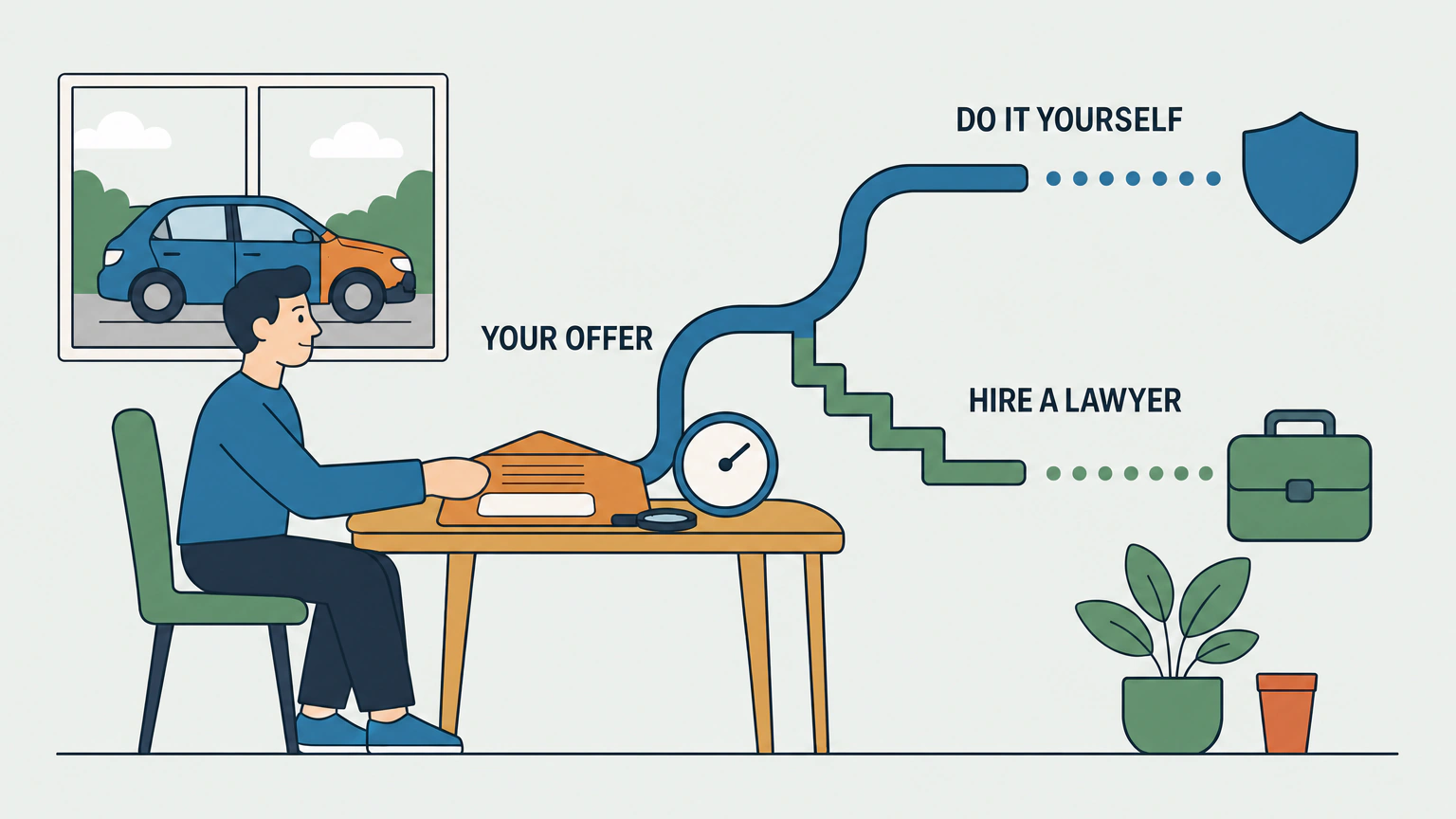
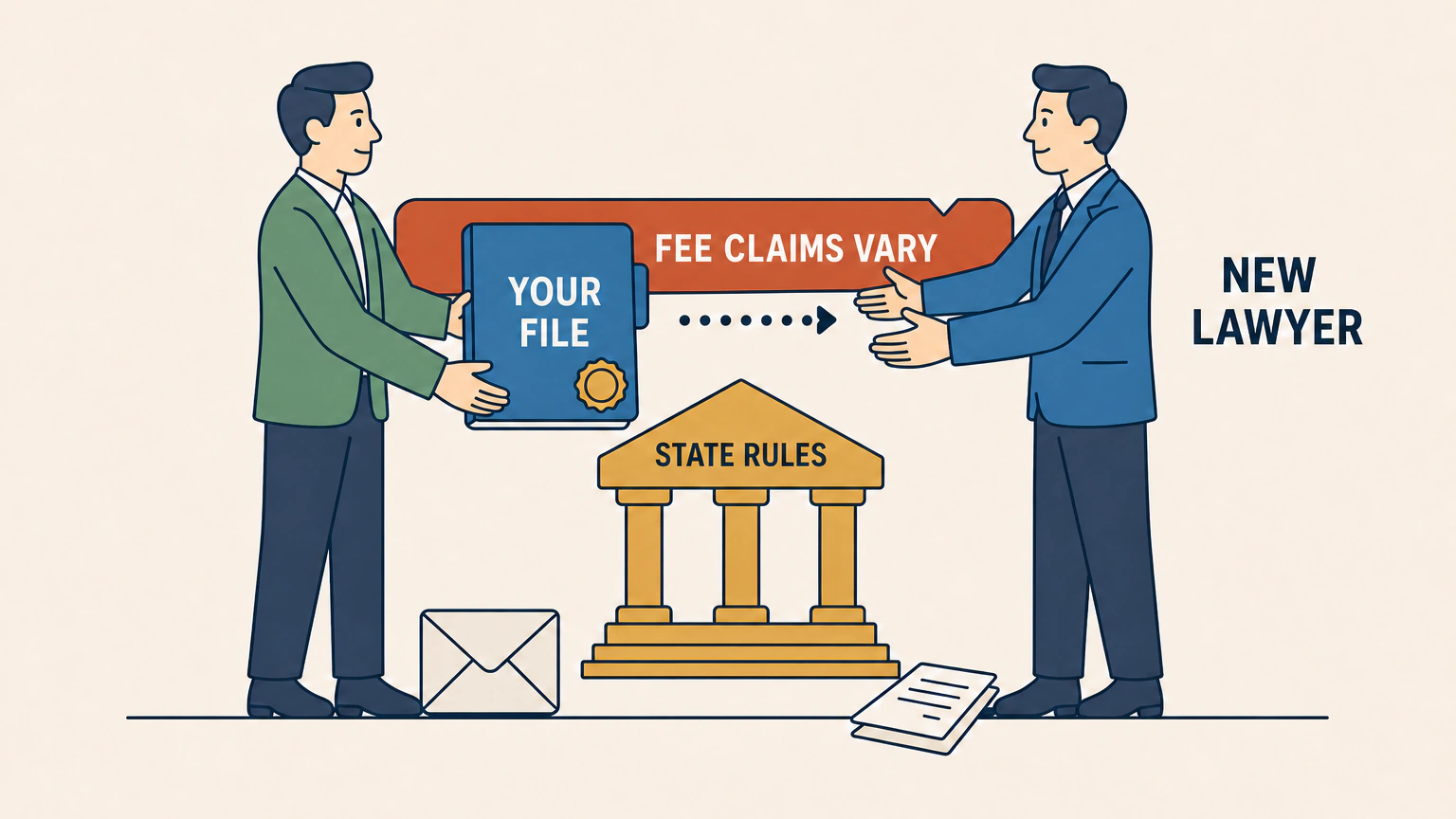
Firms differ more than their websites suggest. Ask which of these injuries the firm actually tries in court, not only settles. Ask who handles your file day to day, because the attorney you meet first is often not the person who calls you later. Injury work in the US usually runs on a contingency fee, so ask for that structure in writing: what share applies, what happens to case costs if the claim goes nowhere, and whether the share changes once a suit is filed.
Bring what you already have. Photos of the spot, the incident report, names of anyone who saw it, your medical records so far, and any letter or voicemail from the liability insurer.
State and city lists below take you to firms in your area. Each city page shows the firms listed there, what each one says on its own website about its practice and its consultations, and how people describe it in public reviews.
Frequently asked questions
What does a personal injury lawyer handle?
Harm caused by somebody else's carelessness away from a car, a clinic or a workplace. Falls on wet or broken floors, unsafe stairwells and parking lots, dog bites, and products that failed in normal use. The other side is almost always a liability insurer rather than the person who hurt you. Most of the work is proving the carelessness and documenting what it cost you.
How are personal injury fees usually structured?
Most injury firms in the US work on contingency: the fee comes out of any money recovered instead of an hourly bill. Get the share in writing before you sign, along with what happens if there is no recovery at all. Case costs such as records, filing and expert reports are separate from the fee, so ask who advances them and who repays them. Some firms charge one share before a lawsuit and a different one after.
What should I bring to a slip and fall consultation?
Photographs of the hazard and of your injuries, taken as close to the day as you managed. The store or property incident report if one was written. Names and numbers for anyone who saw it happen. Your medical records and bills so far, plus a note of work you have missed. Anything the property owner or the liability insurer has sent you, including a recorded statement request.
How does premises liability differ from a crash claim?
A premises case turns on the condition of a place and what the owner knew about it: how long the spill sat there, whether anyone inspected, whether the stairwell was lit. A crash case turns on how two vehicles moved and what the police report and the auto insurers say. Different evidence, different insurers, often different lawyers. Road collisions are covered in our car accident category instead of this one.
How do I tell whether an injury firm fits?
Ask what share of the firm's work is injury work, and how much of it is the kind you have. Ask who will actually handle the file and how often you will hear from them. Read the engagement letter before signing and see whether it matches what you were told. A firm that answers plainly about fees, staffing and timing is telling you something useful about how the year ahead will feel.