
View Profile

RMO Lawyers
- Knowledge
- Team
- Questions
“I talked them thru my issues, they understood and explained my options from both a logistical process, and an emotional one, to try and find the best path forward for me.”
Popular Cities

19,027 firms on file · 911 cities · 14,078 rated 4.5+ · 465 open 24/7 · 351 show a license
Data verified October 17, 2026


Estate planning is the paperwork that speaks for you when you cannot speak for yourself. A will names who inherits and who runs the estate. A power of attorney lets someone you trust pay bills and deal with the bank if you land in hospital. A health care directive tells doctors what treatment you want. A trust holds property under rules you set, which matters when a beneficiary is young, has a disability, or struggles with money.
Firms differ mostly in how far they go. Some sell a flat-fee package: a will, two powers of attorney, a directive, and a signing appointment. Others build a plan around a family business, a blended family, property in another state, or a child on public benefits. Ask which one you are buying, who actually drafts the documents, and what a later change costs.
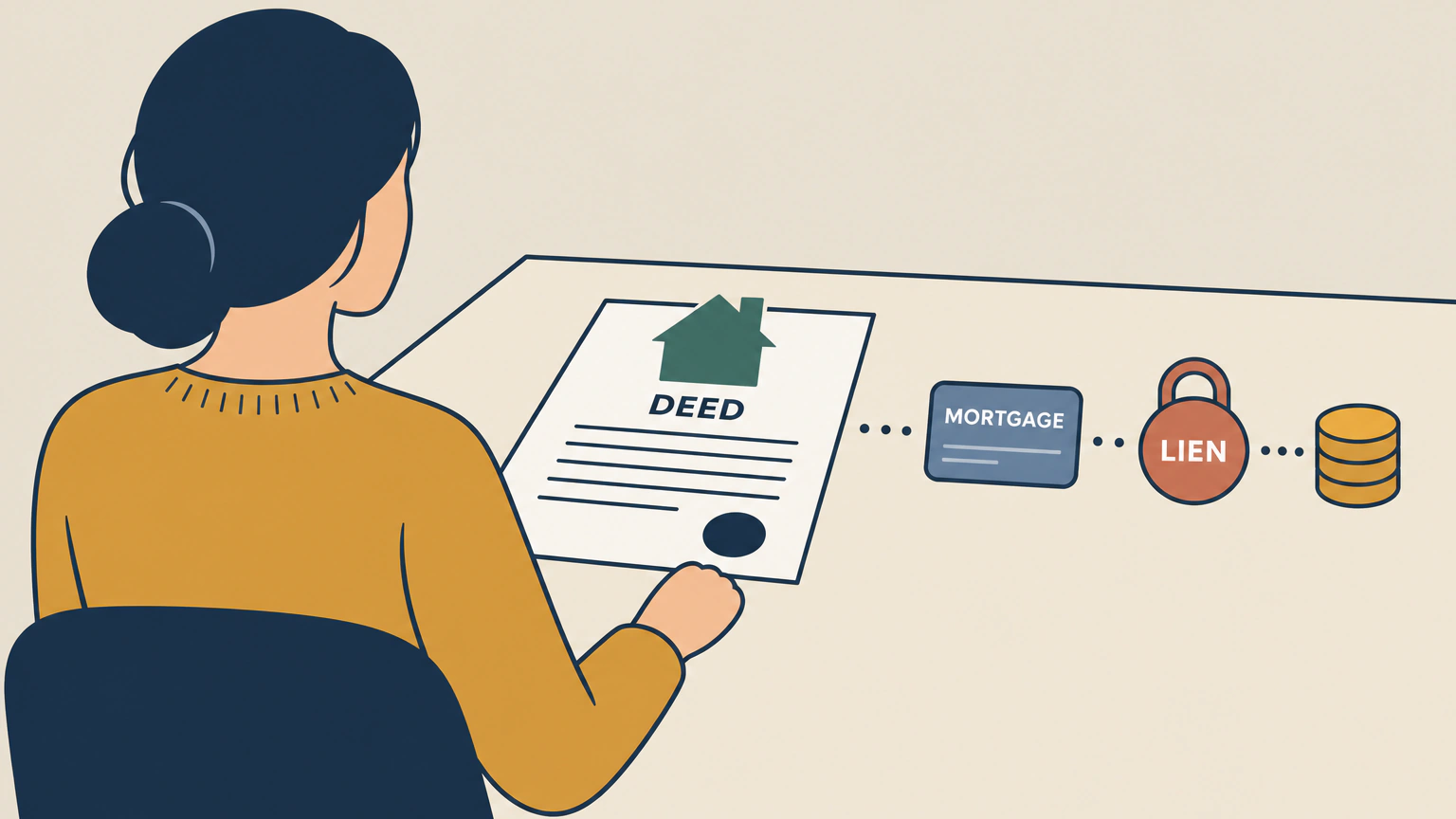
Bring a list of what you own and what you owe, the deeds, and the beneficiary forms from your retirement accounts and life insurance. Those forms override your will, so a plan that ignores them is half a plan. Have names ready for executor, guardian and agent.
Each listing reflects what a firm publishes about the plans it writes. The state and city lists lead to the firms nearest you, and every city page separates the ones based in that city from the ones a short drive away.
A will, a durable power of attorney for finances, a health care directive, and often a living trust. Many firms also line up beneficiary designations, nominate guardians for young children, and write instructions for a business interest. The documents work as a set, and one that contradicts another is the usual reason a plan fails when the family needs it.
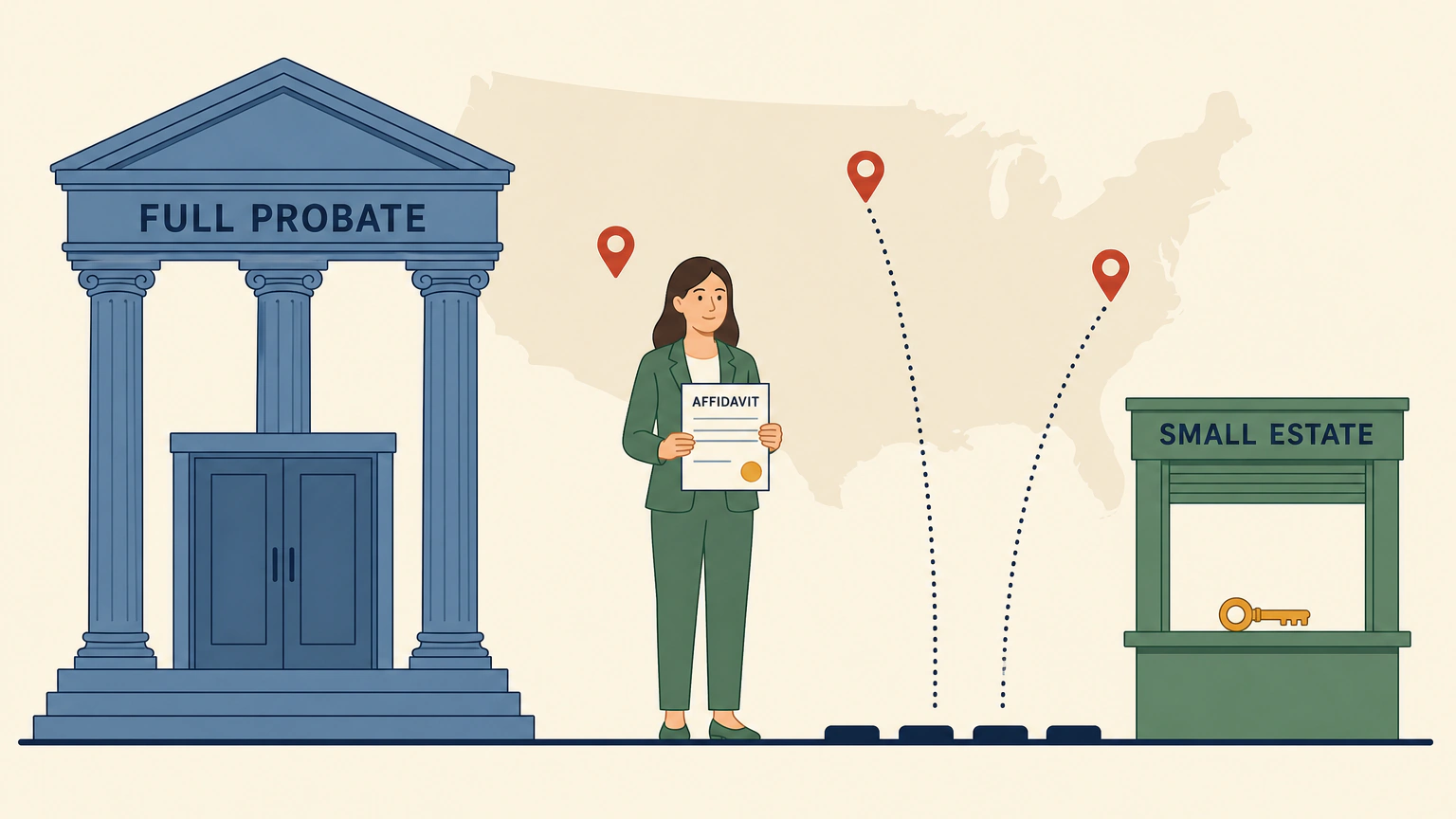
Most households are served by a will plus powers of attorney. A trust earns its place when you want to keep the estate out of court, hold money for a young or disabled beneficiary, deal with property in more than one state, or keep the arrangements private. Ask the lawyer to explain the trade-off in your situation rather than sell you a package.
Most planning work is quoted as a flat fee for a defined package, with hourly billing kept for complex trusts and business succession. Ask in writing what the fee covers, whether moving assets into the trust and recording deeds are included, and how later changes are billed. Some firms charge separately to store the signed originals.
After a marriage, a divorce, a birth, a death in the family, a move to another state, or a real change in what you own. The beneficiary forms on retirement accounts and insurance deserve the same check, because they pass outside the will entirely. A short review appointment costs far less than an estate fight later.
Pick people who are organized, reachable and willing, and ask them before you name them. The executor handles the estate after death; the agent under a power of attorney acts while you are alive. They do not have to be the same person, and neither has to be a relative. Name a backup for each role.