Laila Gonzalez Esq.›
4.8 72 reviews
“If you are looking to regain your peace of mind and resolve your financial situation with the help of an expert, do not hesitate to hire her.”
FAQs
If I fall behind, can I make an arrangement with my mortgage company to catch up without filing for bankruptcy?
Yes, however, you should be aware that the mortgage company will still be moving forward with the forclosure at the same time. However, usually the mortgage companies insist on half down and the rest to be paid within six months, while keeping current on your regular mortgage payments. This is usually too much for most people to pay. Bankruptcy gives you up to five years to catch up.
This sounds to good to be true. Is it?
Most often, yes. These are people who are trying to take advantage of your difficulties by buying your house for less than market value. Do yourself a favor, speak to an experienced and knowledgeable bankruptcy attorney that can give you the appropriate advice so that you will be able to decide which is your best option.
By filing for bankruptcy, am I ruining my credit?
Probably not. Most likely your credit has already been damaged. By filing bankruptcy you will actually be able to begin to rebuild your credit. It totally depends on what you do after filing for bankruptcy. If you file a Chapter 7, make all remaining payments on time. If you file a Chapter 13 plan, creditors (especially if you are considering refinancing) look at whether you make the bankruptcy payments on time.
What is the biggest advantage of filing for bankruptcy?
By filing bankruptcy, you may be able to discharge credit card debt, medical debts, many kinds of contract debts, personal guarantees, some kinds of tort debt (negligent torts, not intentional torts) and even some taxes.
What does discharge of debt mean?
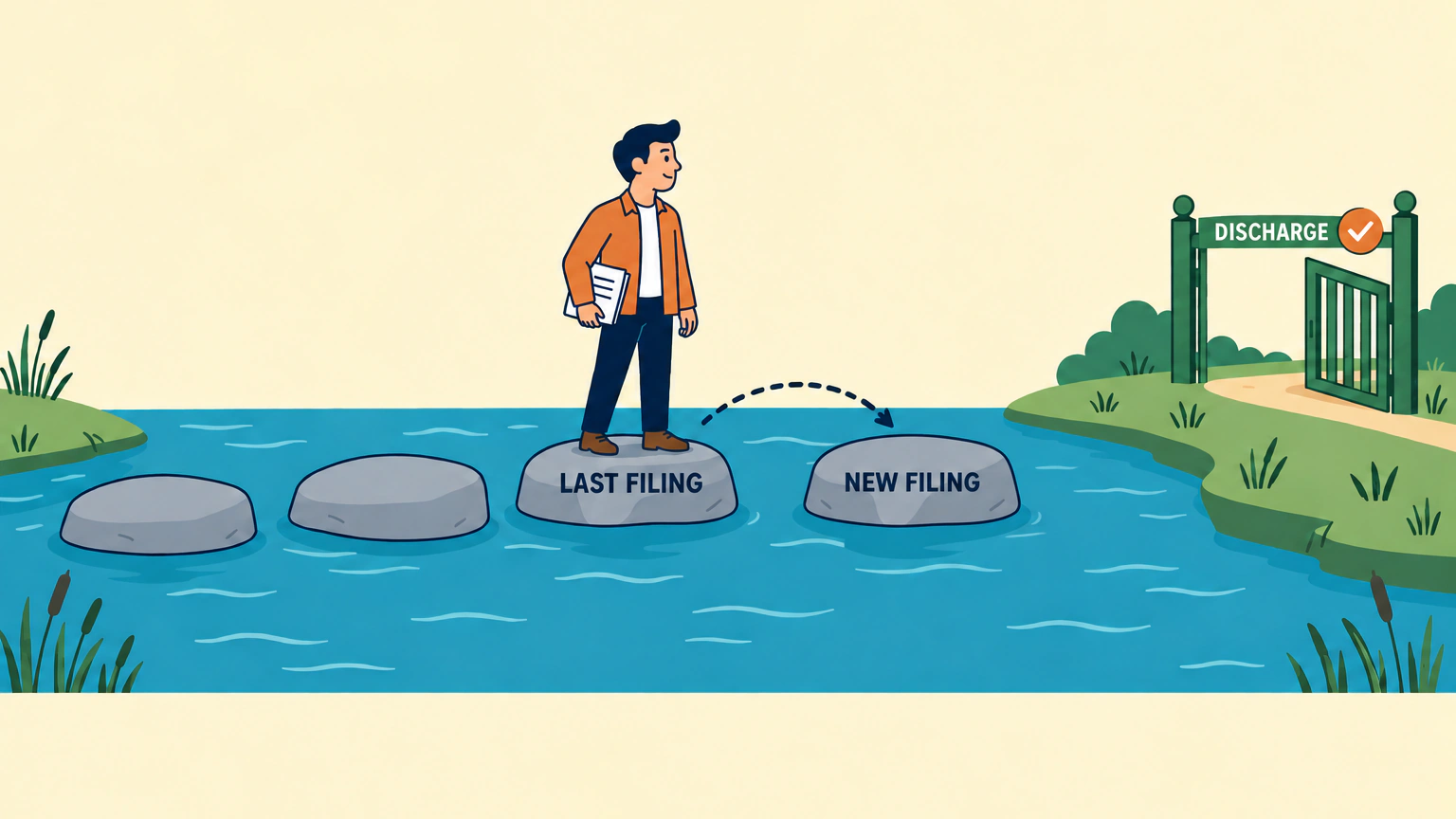
Discharge of debt means that the person or business you owe the debt to can never collect that debt from you personally. Where a debt is discharged in bankruptcy, the creditor you owed that debt to is enjoined (prohibited) by the bankruptcy discharge from thereafter calling you, writing you, suing you, or taking any other step to collect the discharged debt from you.
Other questions that you might have are answered on the FAQ page of our website.
i