Brown Family Law›
4.8 126 reviews
“The process was easy and he was always there to reassure me or help me with decisions.”
FAQs
Is Mediation Confidential?
Yes, in Utah what happens in mediation stays in mediation. Neither party can use what is said during mediation in a subsequent court proceeding. Likewise, the mediator cannot divulge what was said during mediation.
What if My Situation Is Too Complicated for Mediation?
Honestly, there are not many situations too complicated for mediation. The parties understand the dispute, and when they have educated the mediator regarding their points of view, the mediator will be able to help them negotiate a mutually beneficial agreement.
Can Lawyers Be Present During Mediation?
Yes. People may want a lawyer present to help ensure a fair mediated agreement is reached. In fact, in many cases it is preferable to have a lawyer present during mediation to help the parties evaluate offers being made and discuss options and risk. Note: It is almost always a good idea to have an attorney review a mediated agreement before signing it.
What Can You Include In A Prenup?
Most prenuptial agreements address how property, assets and debts will be divided in the event of divorce. Some may also include stipulations for spousal support, inheritance or what will happen to your business. Prenups cannot address child custody, visitation or child support issues.
What Are The Grounds For Divorce In Utah?
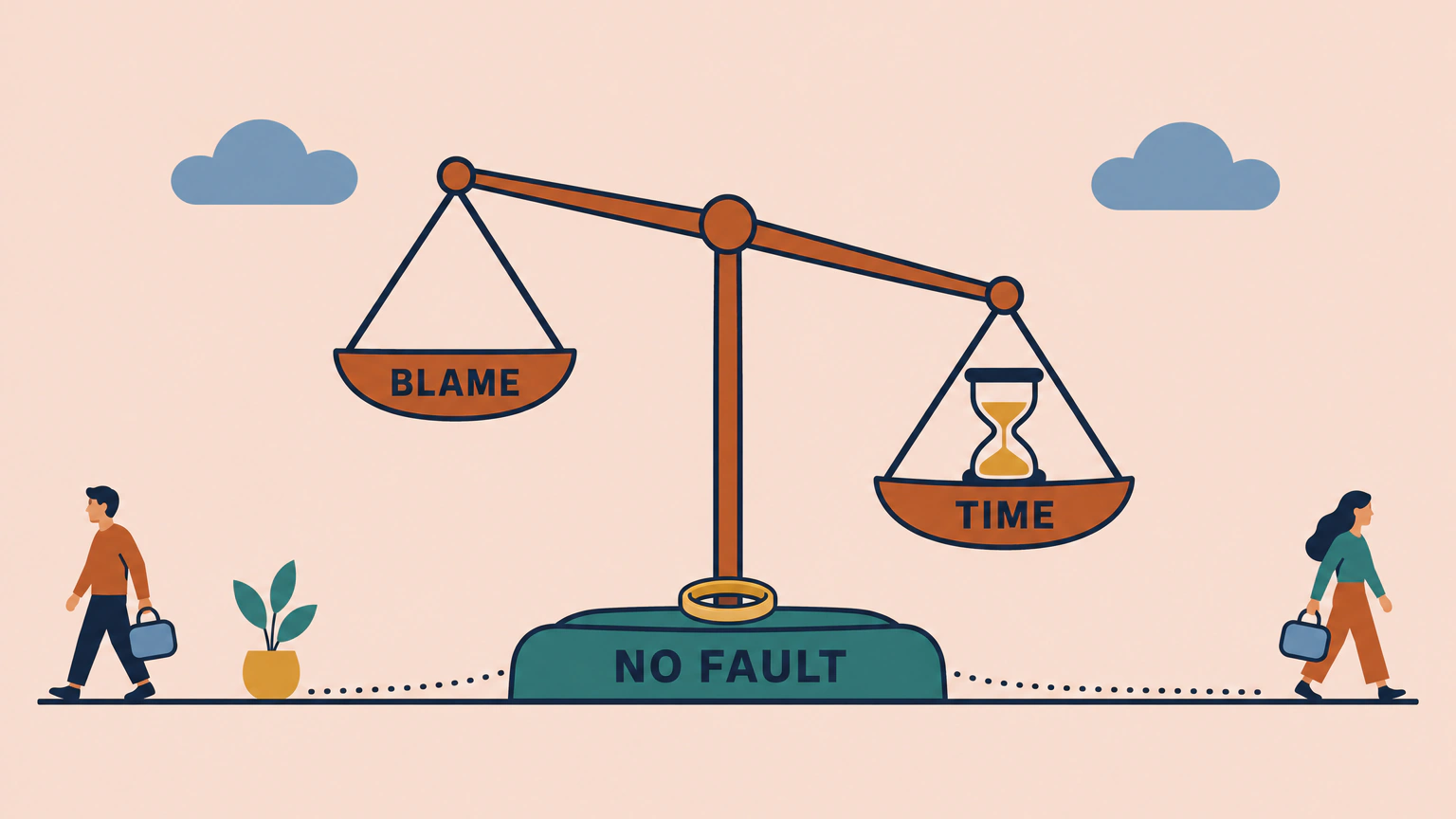
Divorces in Utah can be no-fault divorces or fault divorces. The grounds for divorce determine which type it will be. In most cases, couples seek a no-fault divorce because the process is simpler, faster, and less expensive. Two of the grounds that may be listed on the petition are no-fault grounds, which include irreconcilable differences and living apart for three consecutive years without cohabitation under a decree of separate maintenance by any state. For a fault divorce, certain grounds must be proven to file a fault divorce. The grounds can include: Impotency at the time of marriage Committing adultery Willful desertion by the respondent for at least a year Willful neglect by the respondent to provide petitioner common necessaries of life Habitual drunkenness of respondent A felony conviction Cruel treatment resulting in bodily injury or mental distress Incurable insanity
We do have more answers on the FAQ page on our website.
i