View Profile

Book Law Firm
(16)
- Knowledge
“Turns out it had been on our to-do list to re-address our estate planning since the passing of our youngest daughter do to complications from her rare genetic disorder.”
FAQs
Do I need an estate plan if I already have a will?
There is much more to estate planning than a will. For example, advance directives, such as a directive to a physician and a medical power of attorney, can help you control your end-of-life care even if an illness or injury has made you incapacitated. Designating a financial power of attorney can protect your finances in a similar situation. There are many estate planning tools to help you during and after your lifetime.
How can we protect our estate from being overly taxed for our heirs?
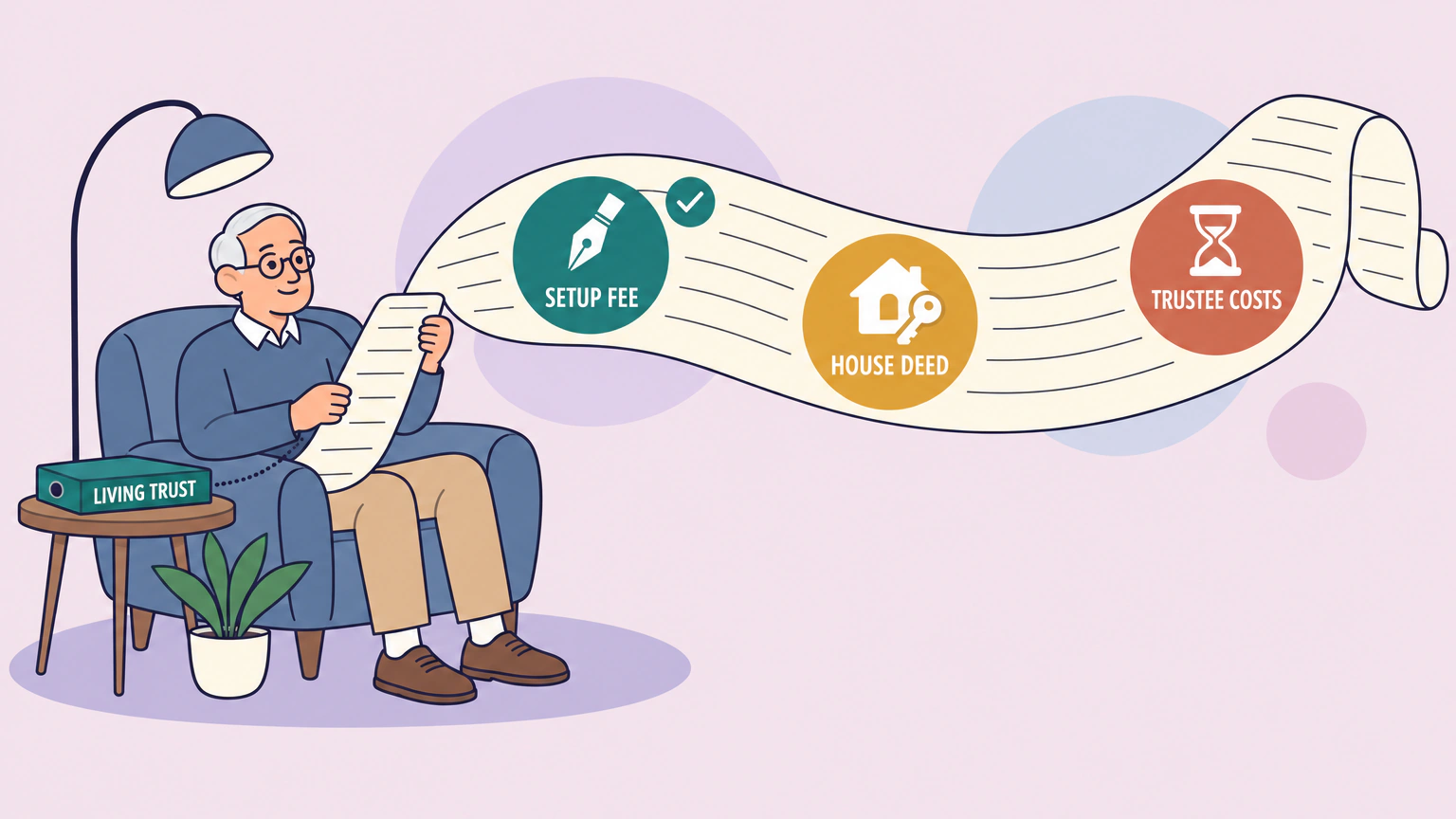
While Texas does not have an estate or gift tax, the federal government does. Fortunately, tools such as living trusts can help your estate minimize or outright avoid burdensome taxes and pass on that wealth to your heirs and beneficiaries.
How is owning property in multiple states handled in an estate plan?
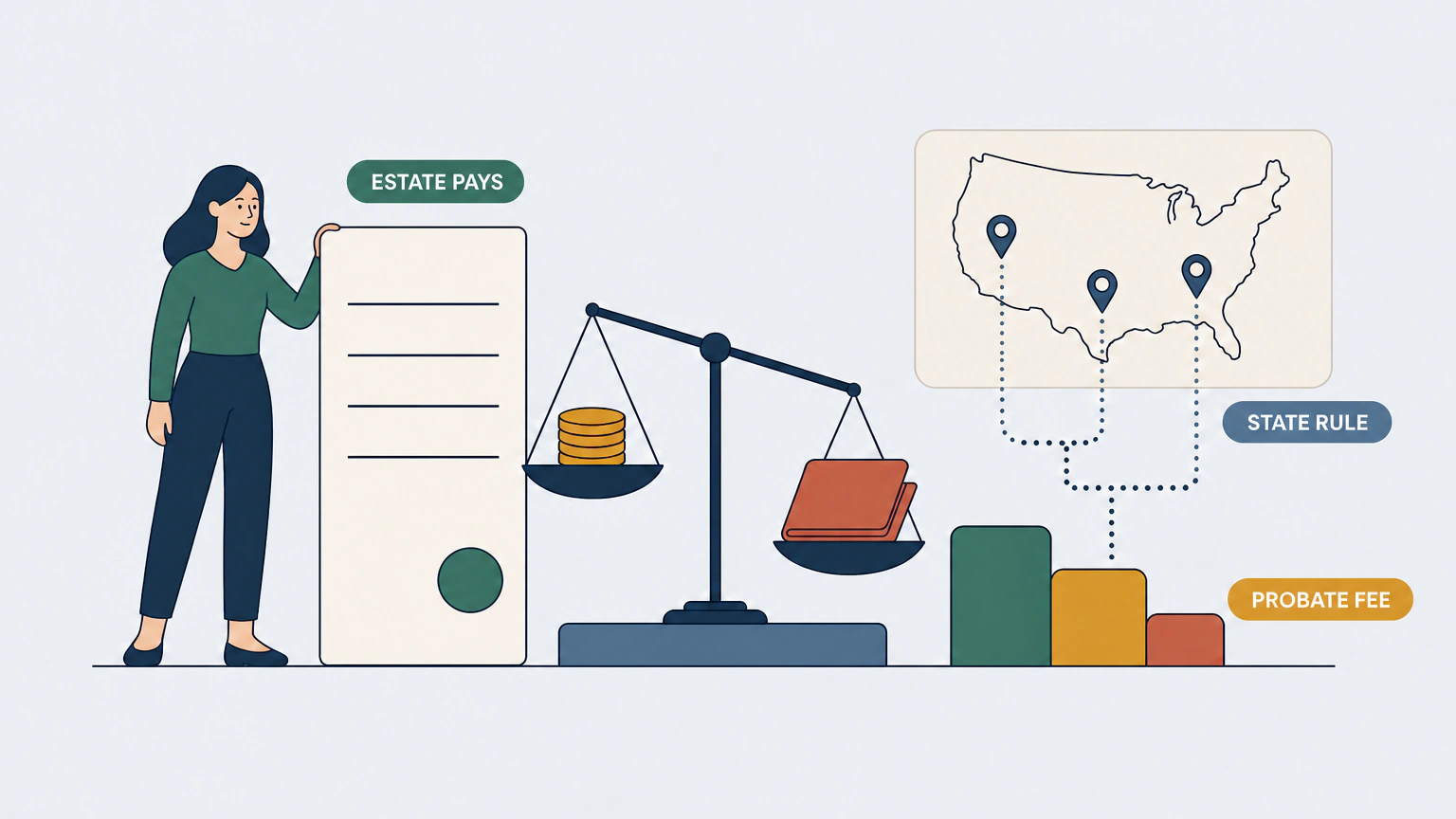
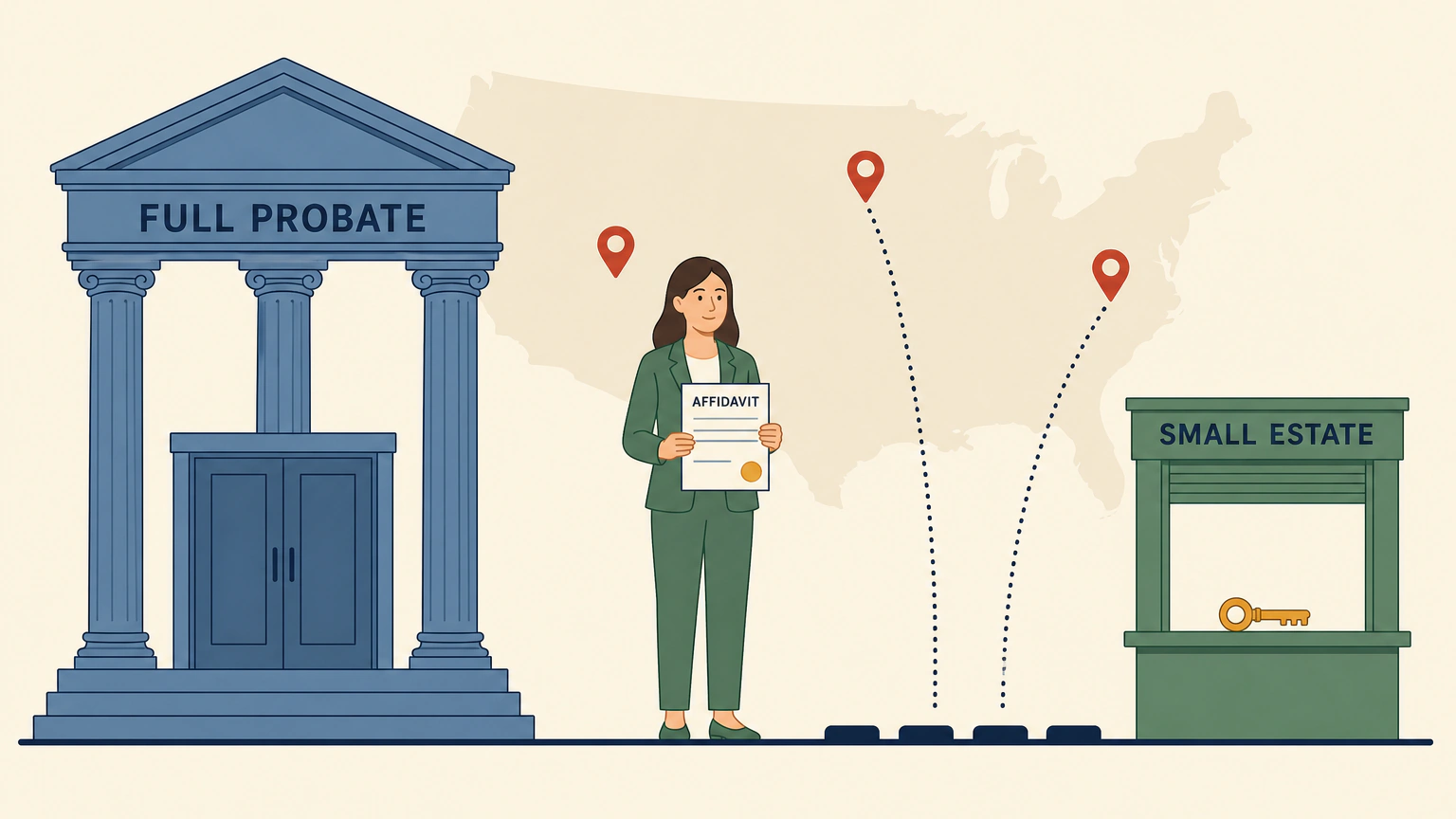
Many wealthy people own real estate and other property both in and outside of Texas. Each state has its own estate planning and administration laws, and it may be necessary for your executor to handle probate in multiple states. However, you likely would have options for avoiding this, such as by putting your out-of-state assets in a living trust or jointly owning real property with your spouse with the right of survivorship. Both of these methods allow the transfer of property outside of probate.
How often should I review and update my estate plan?
One of the great things about estate planning is that you can amend your plan whenever needed to ensure it reflects your current preferences and priorities. You should consider reviewing your plan whenever you experience a major life event, such as:
Are there specific estate planning considerations for business owners?
Yes. Whether you are a sole proprietor or partner in an LLC or other business structure, you need to determine what will happen to your share of the company when you retire or pass away. This is known as succession planning, and it can be a significant part of your estate plan.
We try to answer commonly asked questions like these on the FAQ page of our website.
i